Can Rain Damage Your HVAC System & Affect Its Performance?
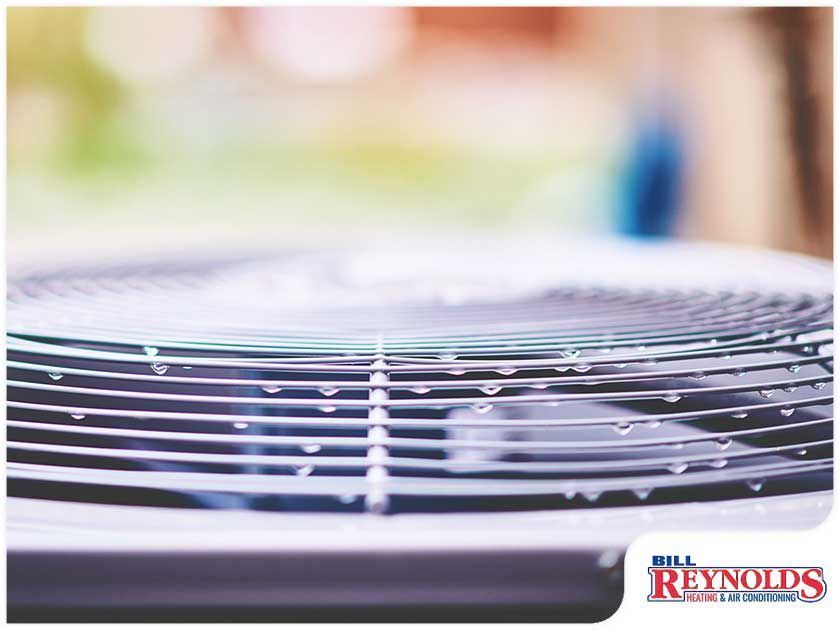
A quality outdoor HVAC unit can withstand harsh outdoor elements and weather conditions. However, there's only so much that your equipment can take. That's why it still pays to be prepared for what nature brings. After a storm, you must have your unit checked by a cooling and heating service provider, even if it looks fine from the outside.
Can Rain Damage Your HVAC System?
It's usually safe to use your air conditioner or heater even if it's raining heavily outside. The real issues begin when the unit gets exposed to water when it floods. Water can damage electrical components, the wiring and the motor. Your HVAC system can still perform well even during a storm, but not when it gets submerged in water.
Moreover, even the best HVAC equipment can sustain damage from heavy debris during extreme weather events. High-speed wind-blown objects can also put your equipment at risk. Routine tune-ups and inspections can help you save on air conditioning repai
r costs and keep your unit performing optimally.
Should You Cover Your Outdoor HVAC Unit?
Experts don't recommend covering outdoor HVAC units since the inner condensers can resist exposure to moisture and extreme temperatures. Also, moisture is likely to evaporate before corrosion occurs and harms internal components, assuming there’s natural ventilation. However, many people still cover their outdoor units during the colder months for protection against snow and debris.
Unfortunately, doing this can keep moisture from evaporating, speeding up the deterioration of various system components. A quality outdoor HVAC unit can withstand harsh outdoor elements and weather conditions. However, there's only so much that your equipment can take. That's why it still pays to be prepared for what nature brings. After a storm, you must have your unit checked by a cooling and heating service provider, even if it looks fine from the outside.
You might also like